Overwhelming colors of spring
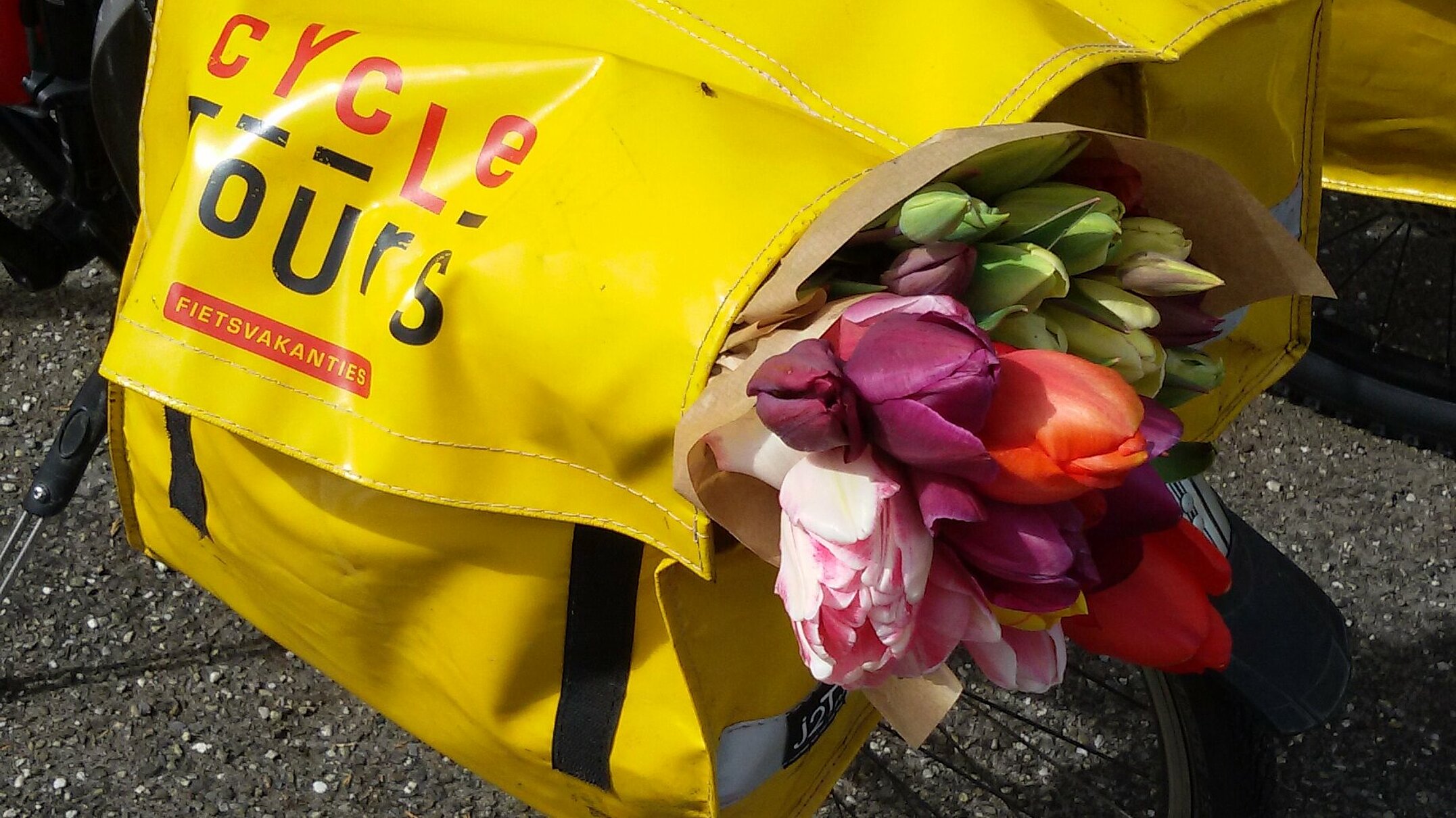
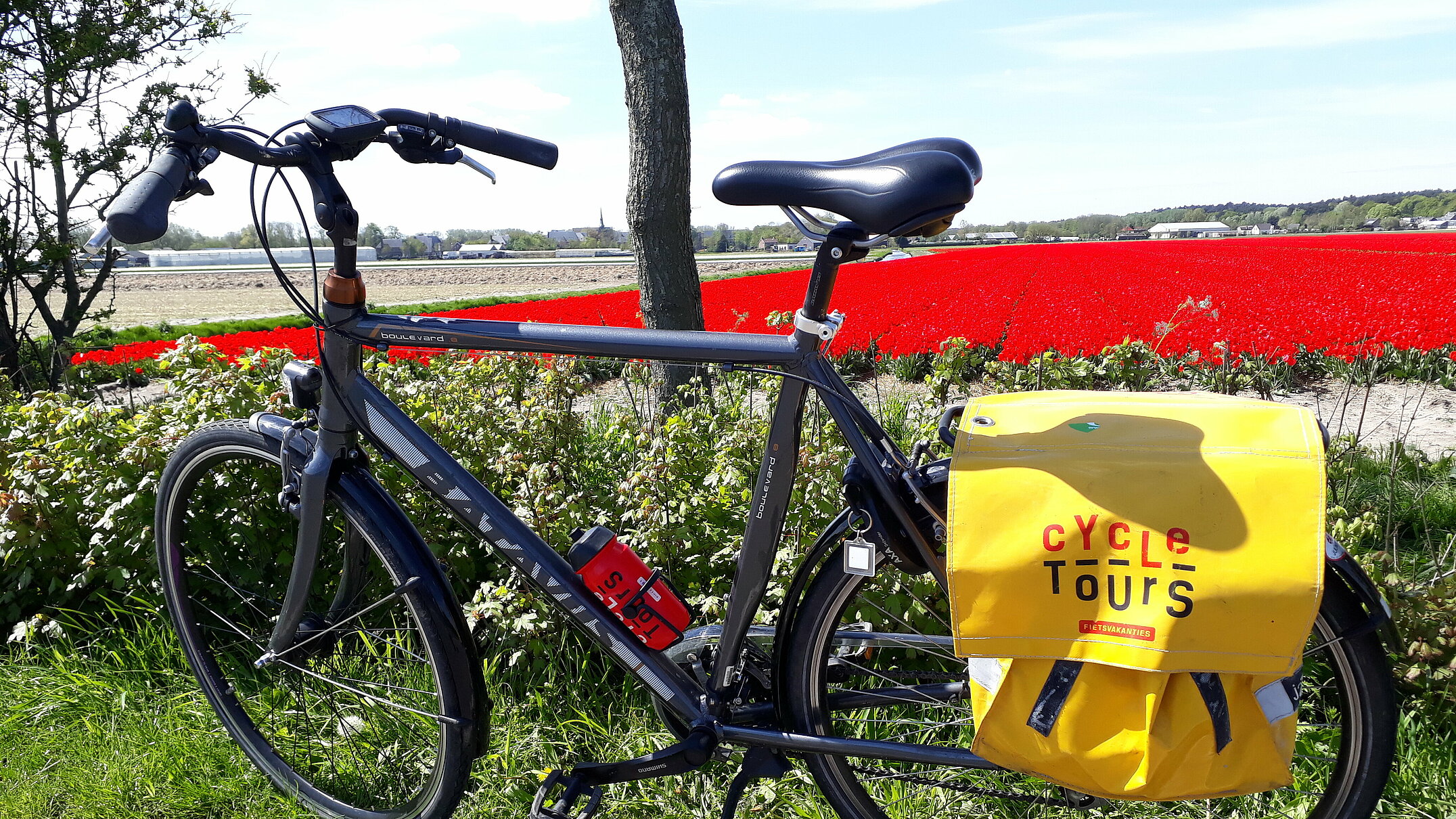
In April and May we offer special tulip tours, centered around the Tulip theme. You will cycle amid countless hectares of spring flowers and tulips. And, of course, you visit the world-famous park The Keukenhof.
The ultimate journey through Holland’s tulip fields & Keukenhof
The lightest cycling holiday, covering largely flat terrain, suitable for everyone and people of all ages; with distances to 45 kilometers. You spend about 4 hours on your bicycle.
In April and May we offer special tulip tours, centered around the Tulip theme. You will cycle amid countless hectares of spring flowers and tulips. And, of course, you visit the world-famous park The Keukenhof.
On this bike and barge tour you will cycle through the green heart of Holland, a landscape of meadows, waterways and traditional farms. Between Leiden and Haarlem the route takes you through vast tulip fields, an unforgettable sight during springtime. You will also visit the world‑famous Keukenhof, a 32‑hectare flower garden where you can wander peacefully among colourful displays of blooming bulbs. More than seven million bulbs flower here each season, including around 800 varieties of tulips. The tulip itself originally came from Turkey and arrived in the Netherlands at the end of the 16th century. It quickly became so admired that a lively trade developed. By 1634, a single tulip bulb could be worth as much as an entire canal house in Amsterdam. Alongside the floral highlights, the tour also brings you to the cheese city of Gouda, the 19 windmills of Kinderdijk (a UNESCO World Heritage site), the international port of Rotterdam and the royal city of The Hague.
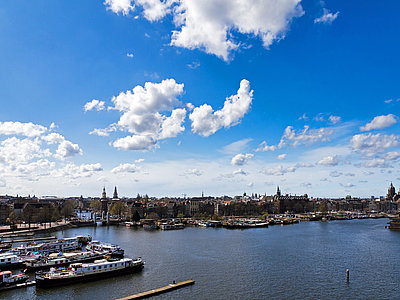
You are expected to arrive on our barge on Thursday no later than 1.30 PM. The barge needs to leave the mooring place in Amsterdam at 2 PM. It is very important you are on time. The barge can’t wait due to the opening hours of bridges and/or locks. Boarding time is between 12.30 PM and 1.30 PM. When you arrive on board the barge, you can put your luggage away in your cabin and then enjoy a cup of coffee or tea. It is also a good moment to become acquainted with the guide, skipper and crew and of course your fellow passengers. During dinner aboard the ship, the program for next day and the global planning of the week are discussed. After diner the guide will take you on a short ride around Oude Wetering to try out the bikes.
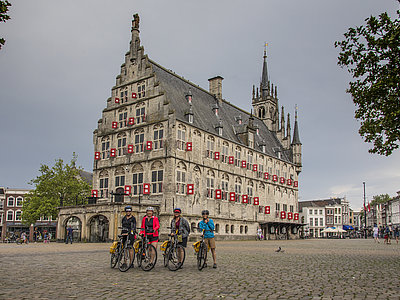
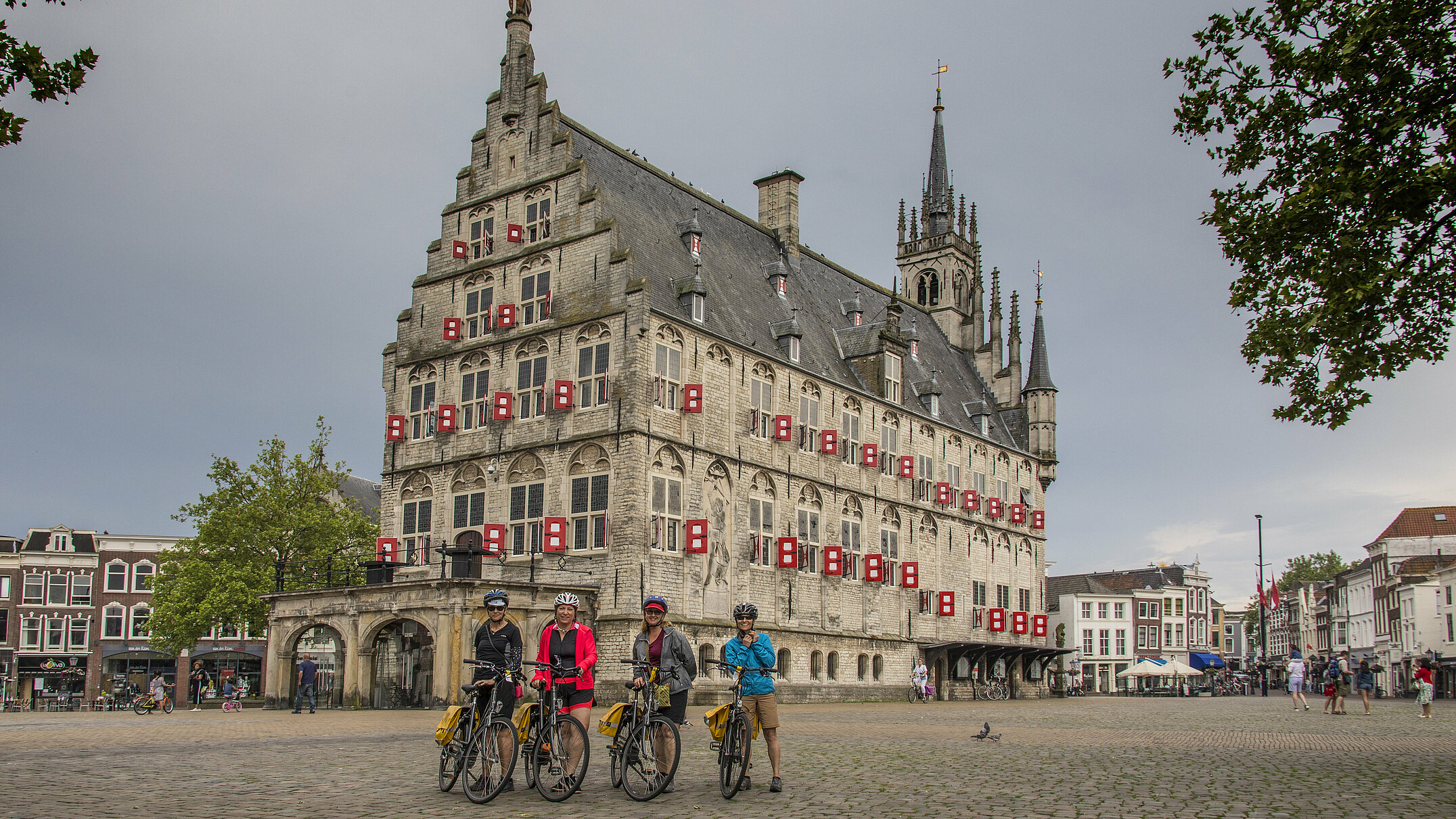
From Oude Wetering you will continue your tour over country roads, along river banks and channels through the Green Heart to the city known for its cheese: Gouda. Who thinks of Gouda, not only thinks of cheese, pipes, ‘stroopwafels’ (treacle-waffle) and pottery, but also of beautifull stained glass windows, a fairy-like town hall and atmospheric canals. Gouda is a beautiful Old Dutch city with a mostly intact city centre. As on most days, after dinner you can take a walk through the city.
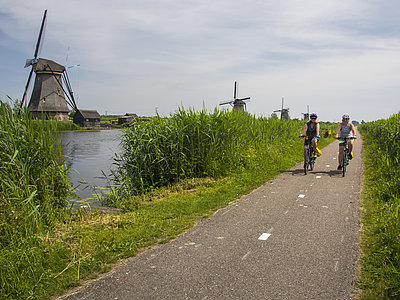
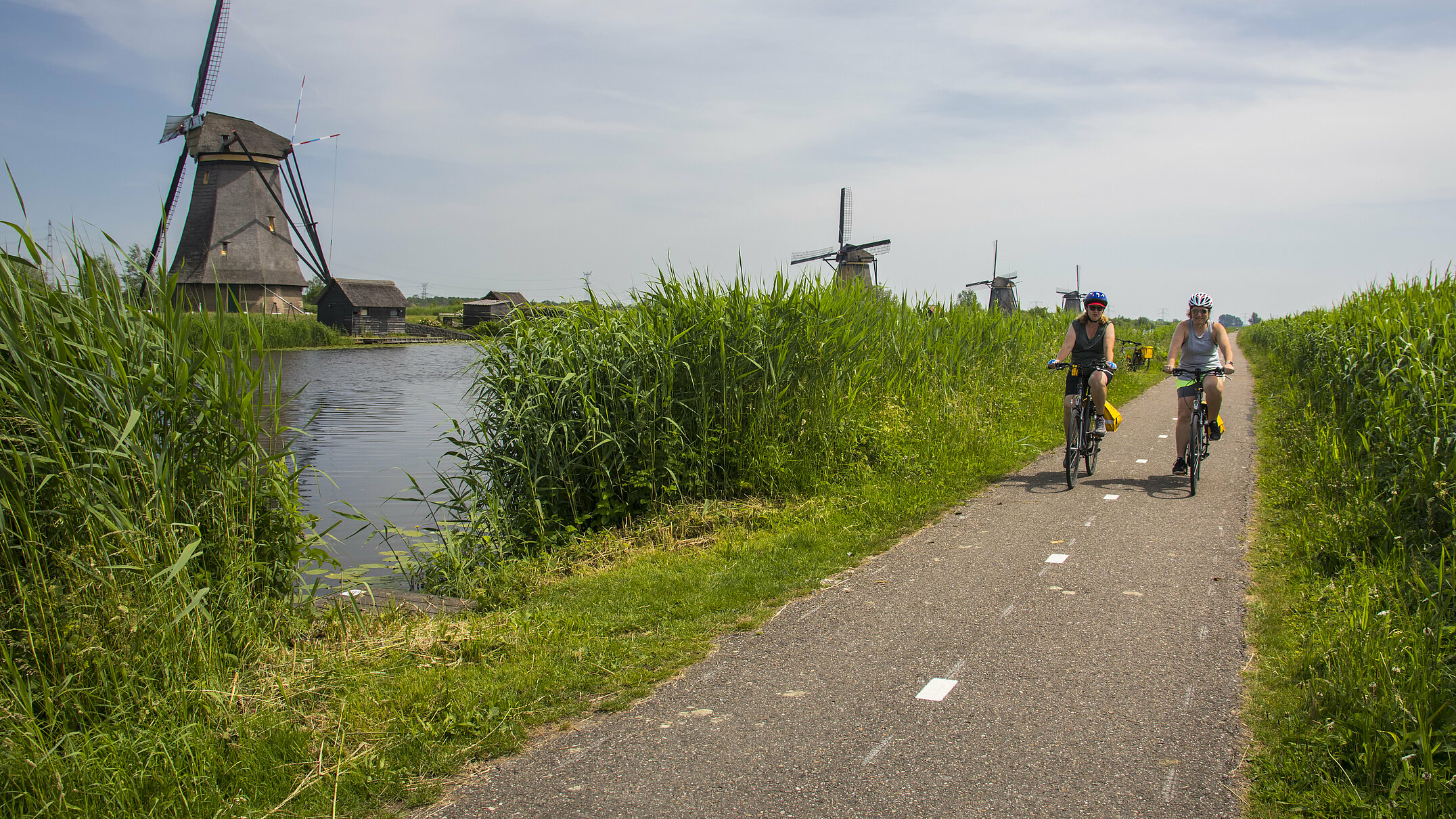
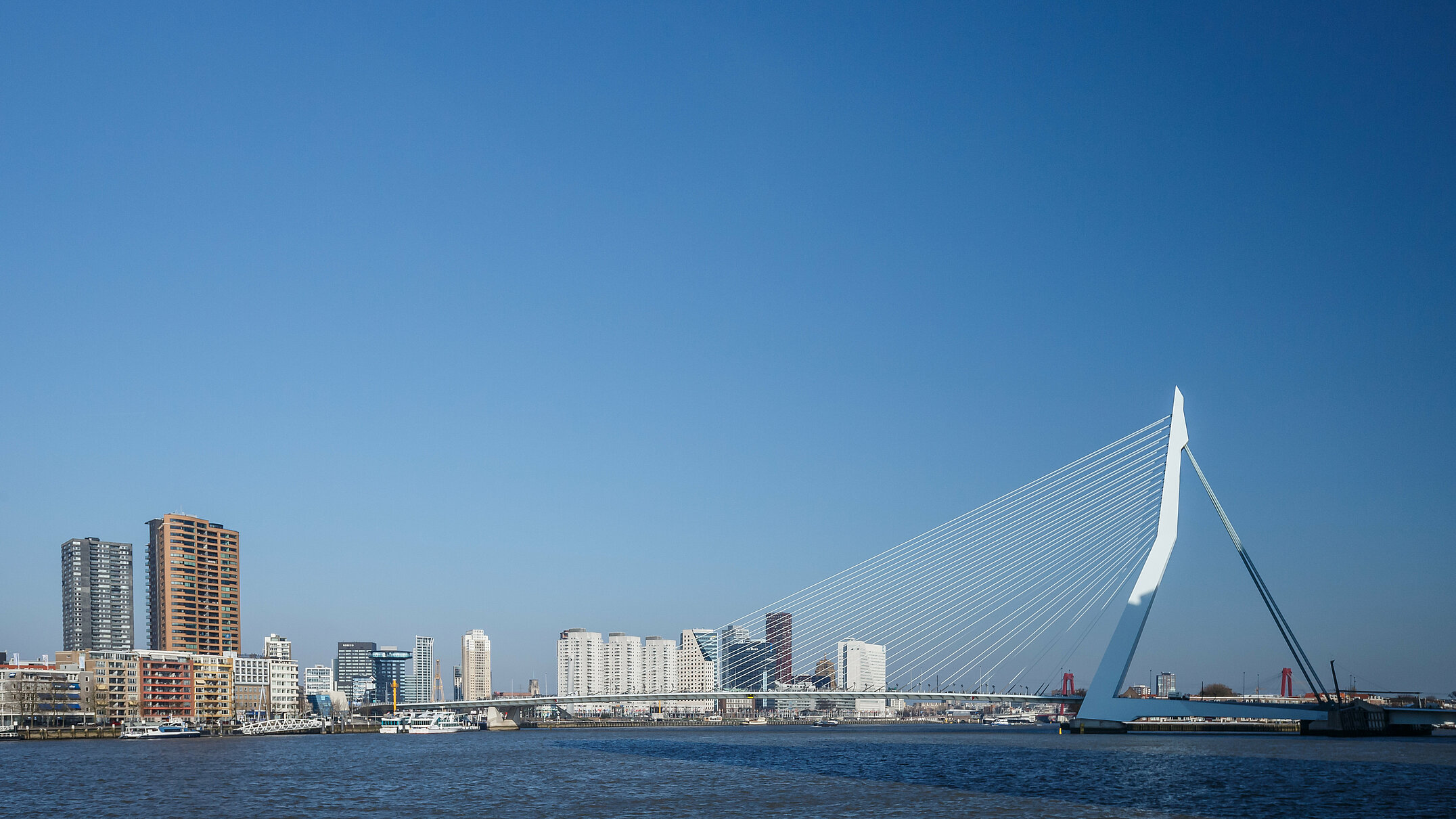
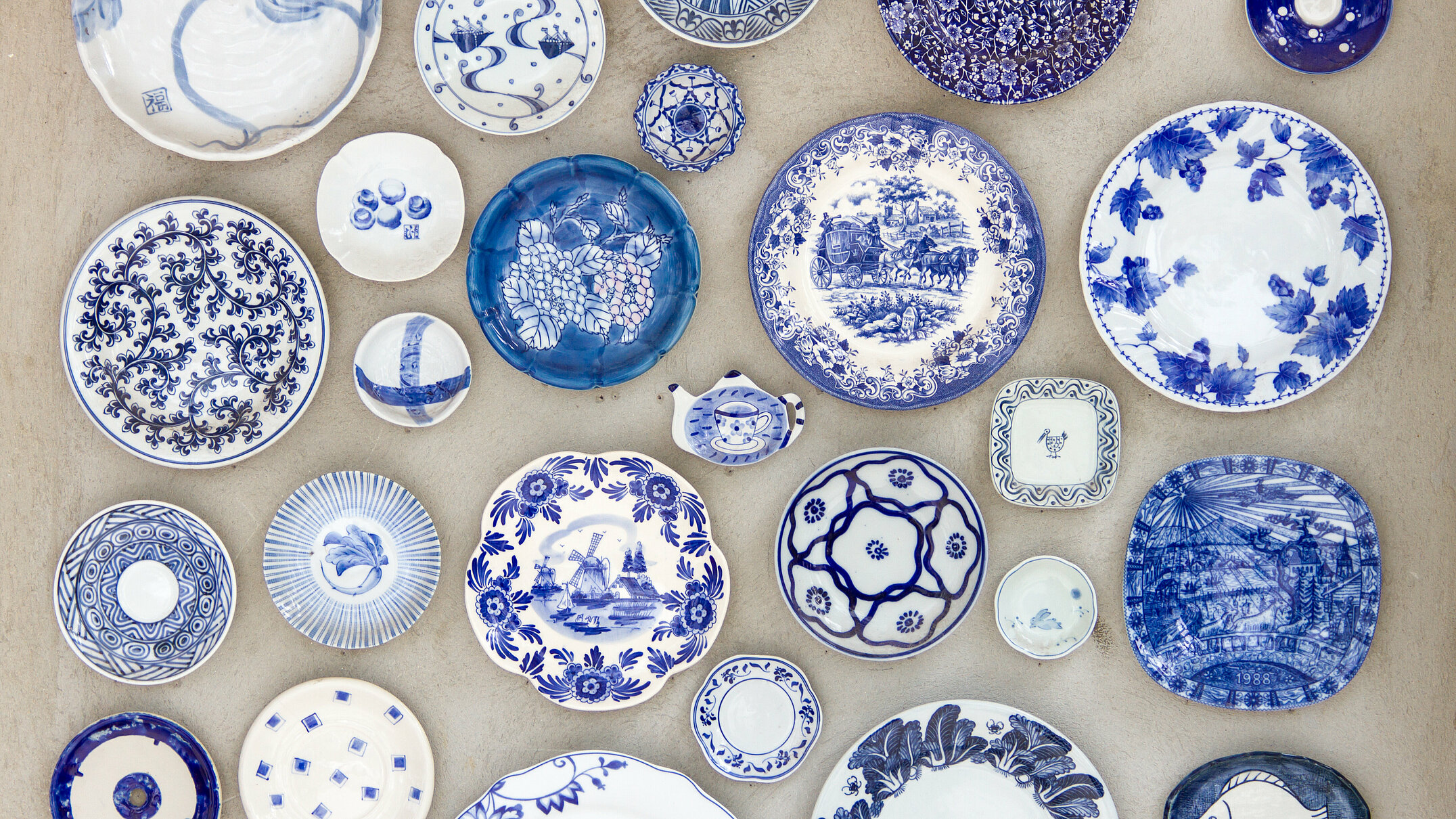
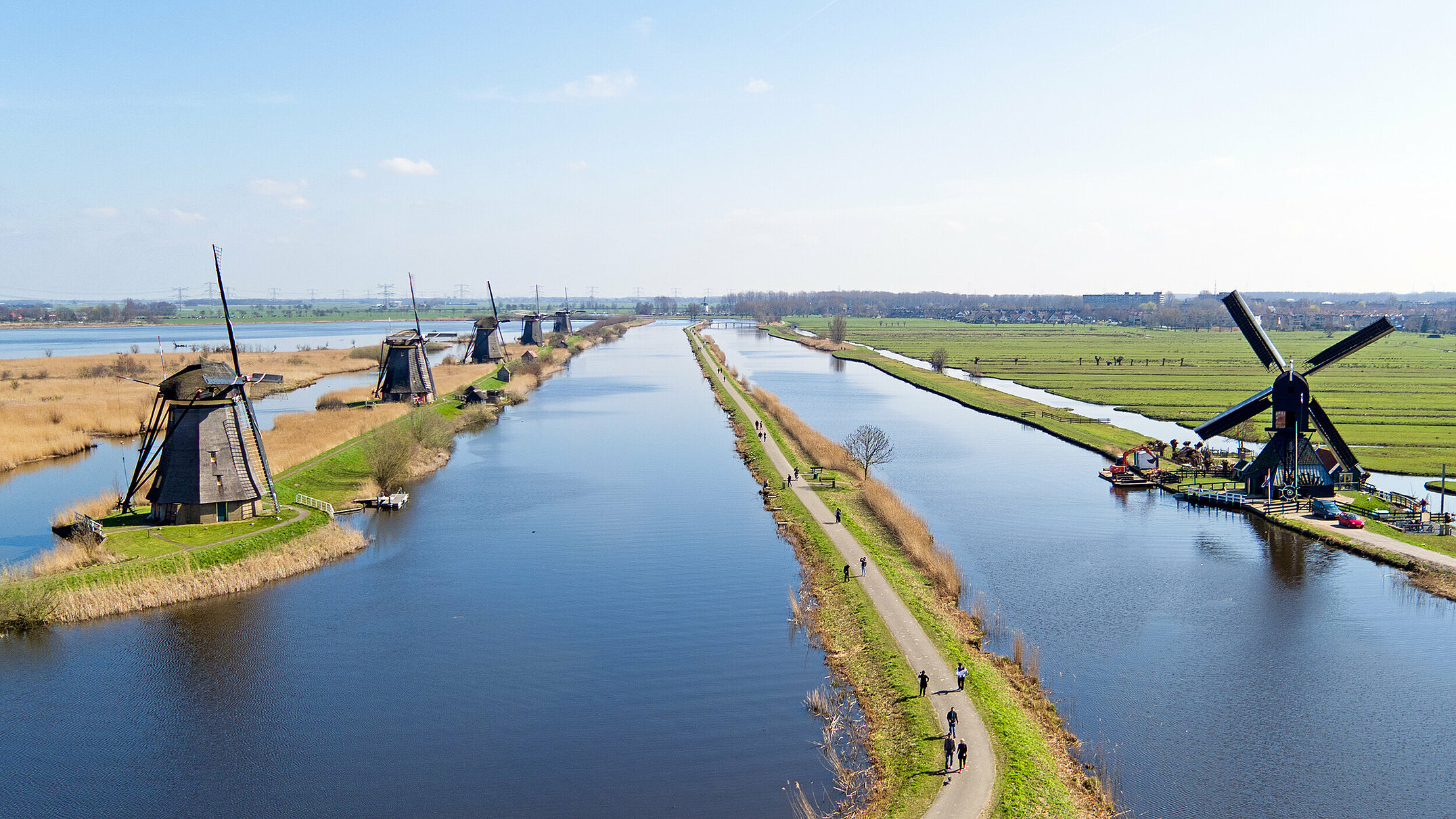
From Gouda you cycle past scenic polders via Kinderdijk to Rotterdam. Kinderdijk has the largest group of windmills in the Netherlands. The windmills at Kinderdijk were still actively used until 1950. These days, a large pumping station is responsible for controlling the water level in the polder. After visiting the windmills of Kinderdijk you take the ferrey to Rotterdam. In Rotterdam you embark and from there the ship takes you to Delft. Delft, the town famous for its pottery, the ‘Delft blue’. The Prinsenhof Museum is housed in the former St Agatha’s monastery. In 1572 William of Orange chose the convent as one of his residences. It was from here that he led the revolt against the Spanish tyranny of Holland. He was murdered on the steps of the Prinsenhof on July 10, 1584, by Balthazar Gerards, a Spanish sympathiser. Two bullet holes in the wall of the stairs bear witness to this event.
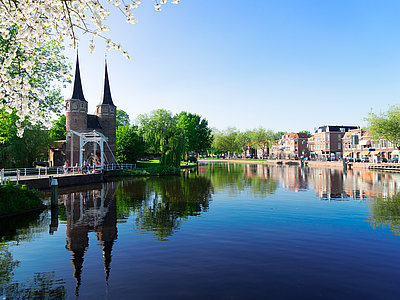
Today is Sunday, the day on which most Dutch take out their bikes for a ride. From Delft we cycle in the direction of The Hague, through ‘het Haagse Bosch’, a large park, and past the former Royal Palace ‘Huis ten Bosch’. The long tour leads you over tranquil cycle paths through the dunes to Wassenaarse Slag. Here you can see the remains of the Atlantikwall. Five bunkers are connected by nearly 3,000-feet-long brick tunnels. Now the underground network serves as a bat reserve. The route continues through the dunes, to Katwijk aan Zee, an old fishing village. The old inhabitants of Katwijk still speak their own dialect, ‘Kattuks’. Following the course of the Oude Rijn (Old Rhine) river we cycle to Leiden. Leiden boasts 14 museums, including the Rijksmuseum. The ship is moored near the Zijlpoort, a gate that once formed part of the city walls. The shorter route leads you inland after ‘Huis den Bosch’ and brings you along ‘Vlietlanden’ a 130 ha big recreational lake to Leiden.
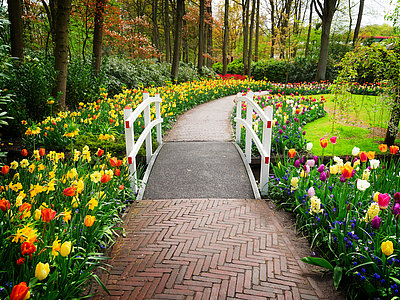
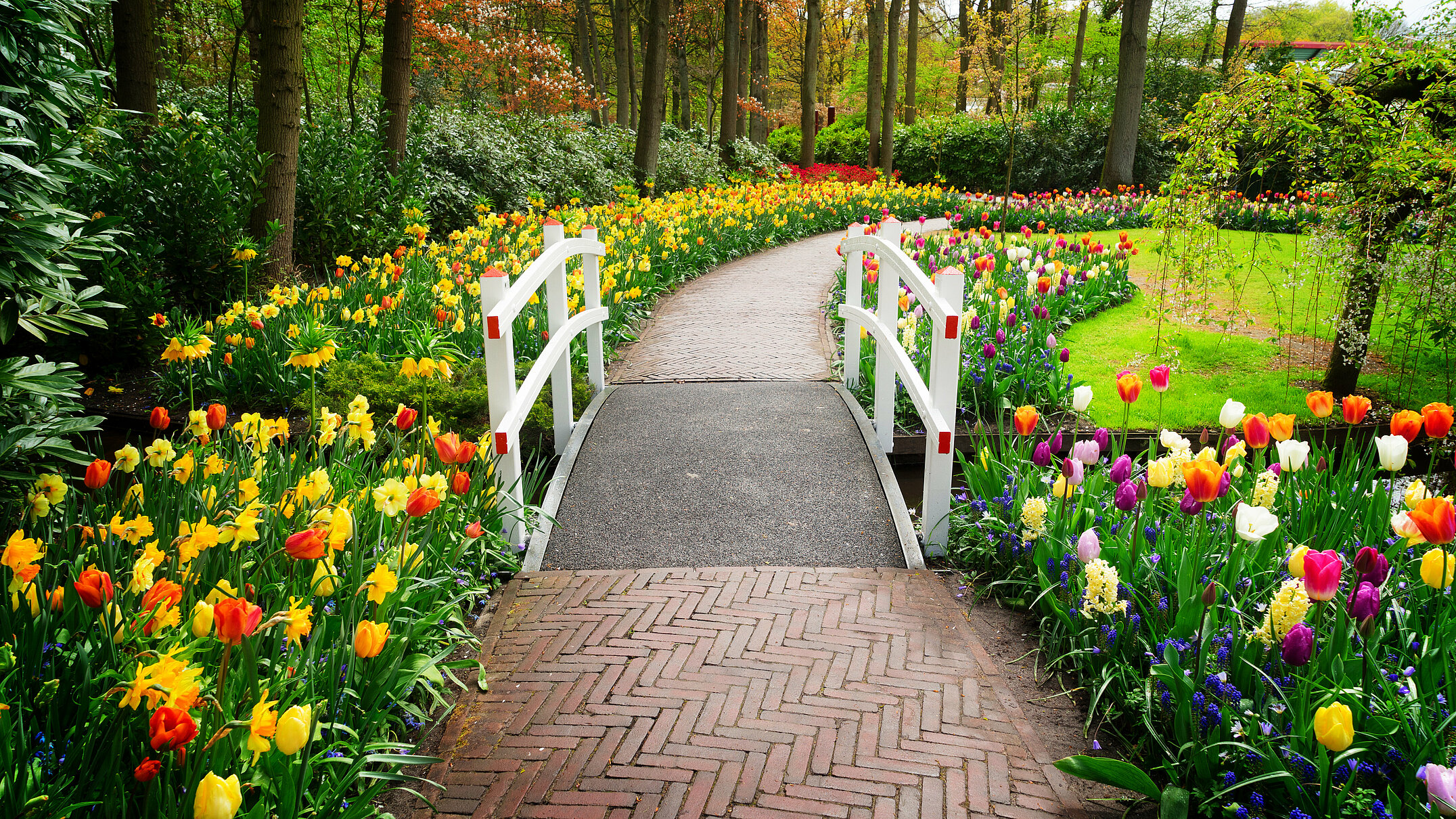
Today you visit the Keukenhof gardens, the most beautiful spring park in the world. An overwhelming blaze of colours of seven million flowering tulips, in a magnificent 80-acres’ background of traditional and modern gardening architecture. The many blossoms, the flowering rhododendrons and azaleas are a feast to the eye. The pavilions will surprise you with unique flower shows. And amidst the wealth of colours there are surprising objects of art. This unequalled combination is extremely pleasing to the eye. In the Keukenhof various gardens and gardening styles can be found: the English Landscape Garden, the Historical Garden, the Natural Garden, the Japanese Natural Garden, the Formal Garden and three special colours gardens. Spread throughout the entire park there are approximately eighty sculptures from well-known Dutch artists. There are also several other art objects, such as the collection ‘Surprising Tulips’
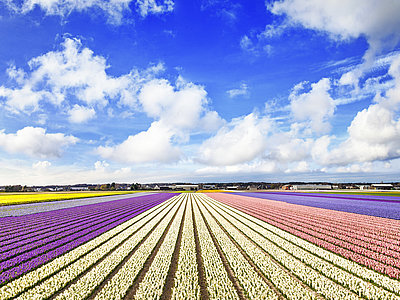
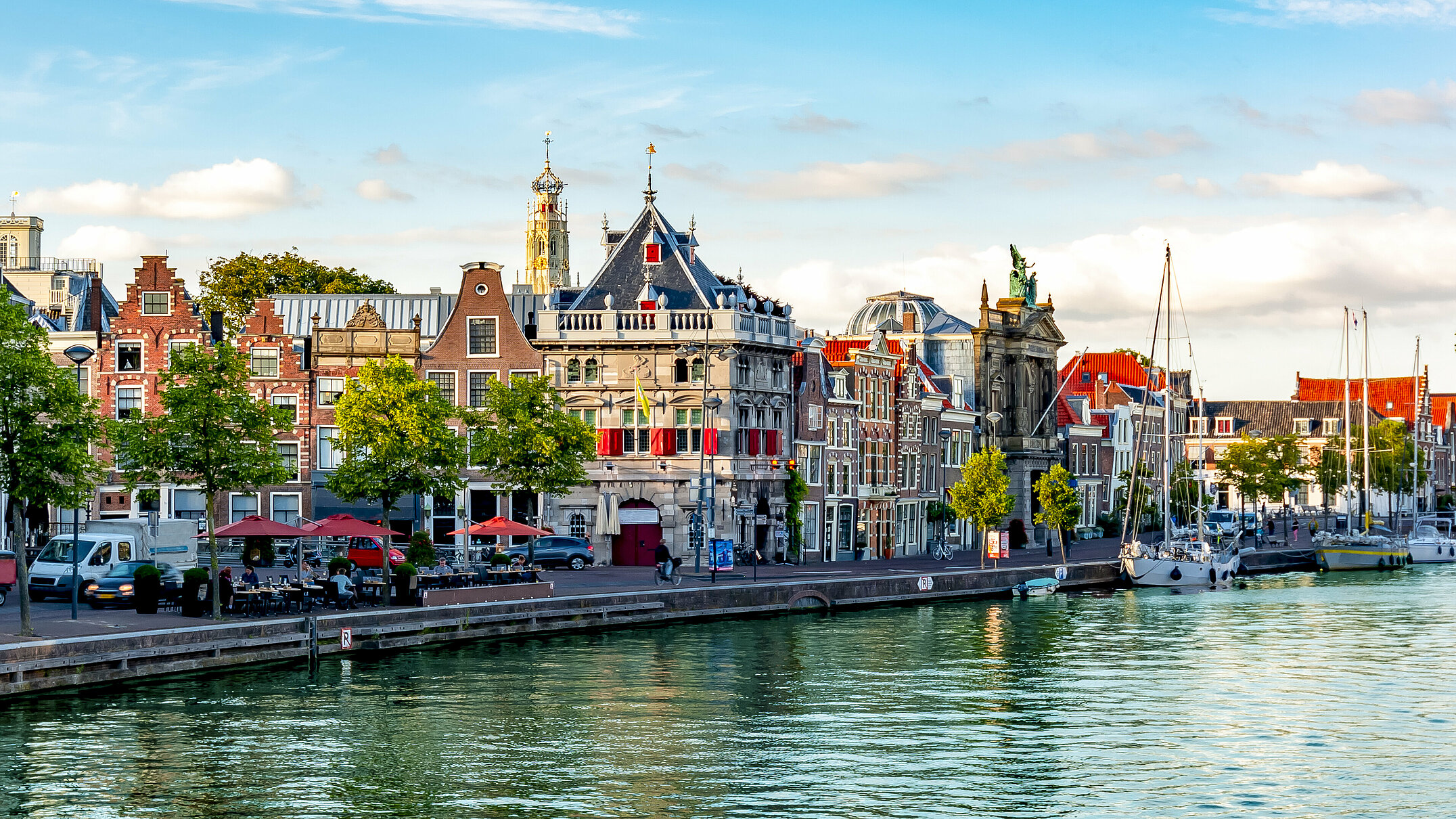
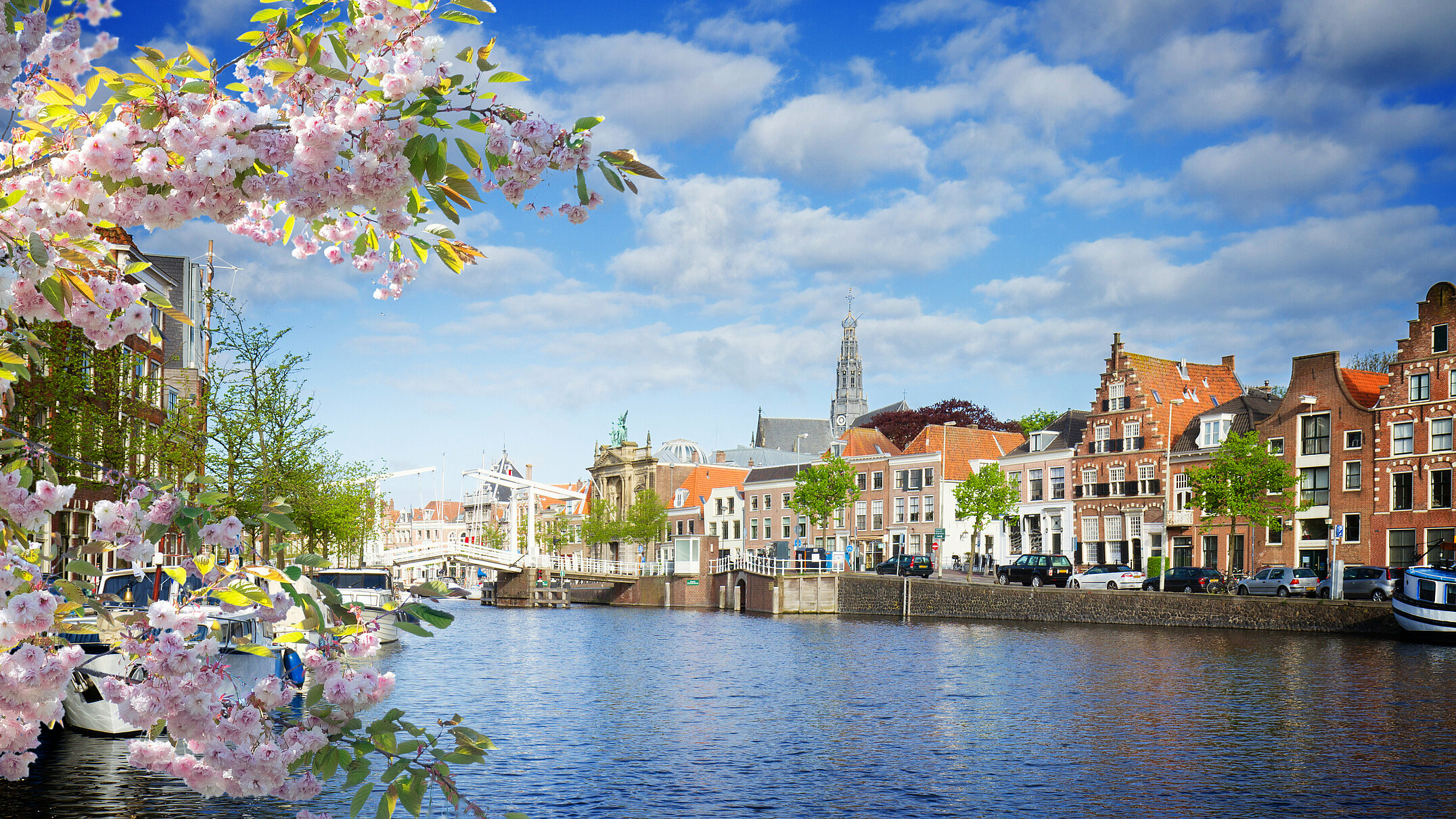
You cycle from Leiden through colourful flower fields on your way to Haarlem. Between March and May the bulb fields are in full bloom, starting with daffodils and followed by hyacinths, tulips and lilies. In Haarlem you take a short city tour and visit several historic hofjes, quiet courtyards surrounded by old houses that were originally built as almshouses. They remain some of the city’s most charming hidden spots. Haarlem, the Dutch city that gave its name to Harlem in New York, is lively and welcoming, with excellent shopping streets and a relaxed atmosphere. Your barge is moored in the city centre, with a view of St Bavo’s Church and easy access to the Grote Markt and its many outdoor cafés.
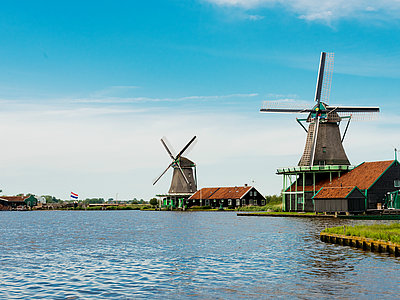
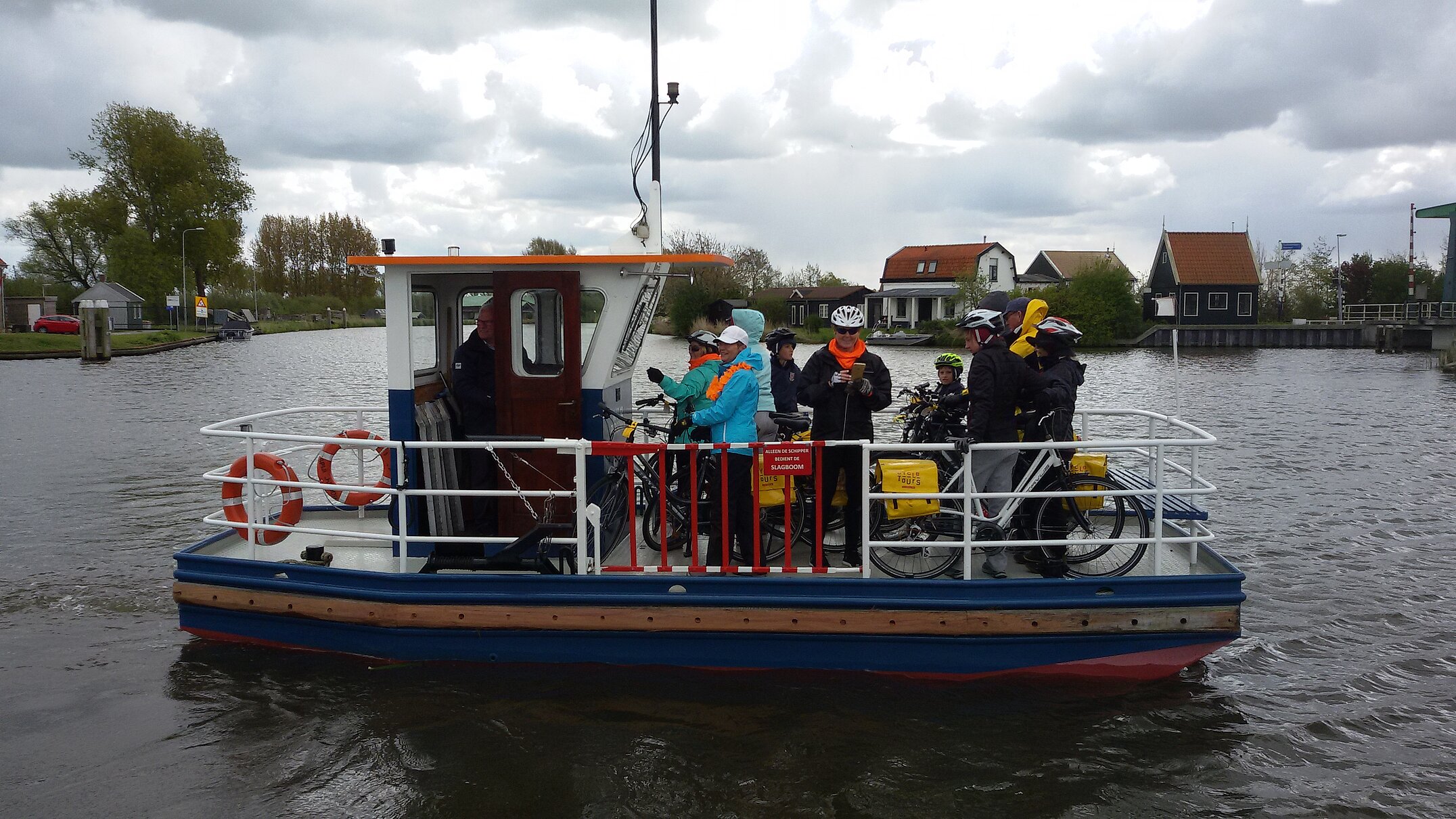
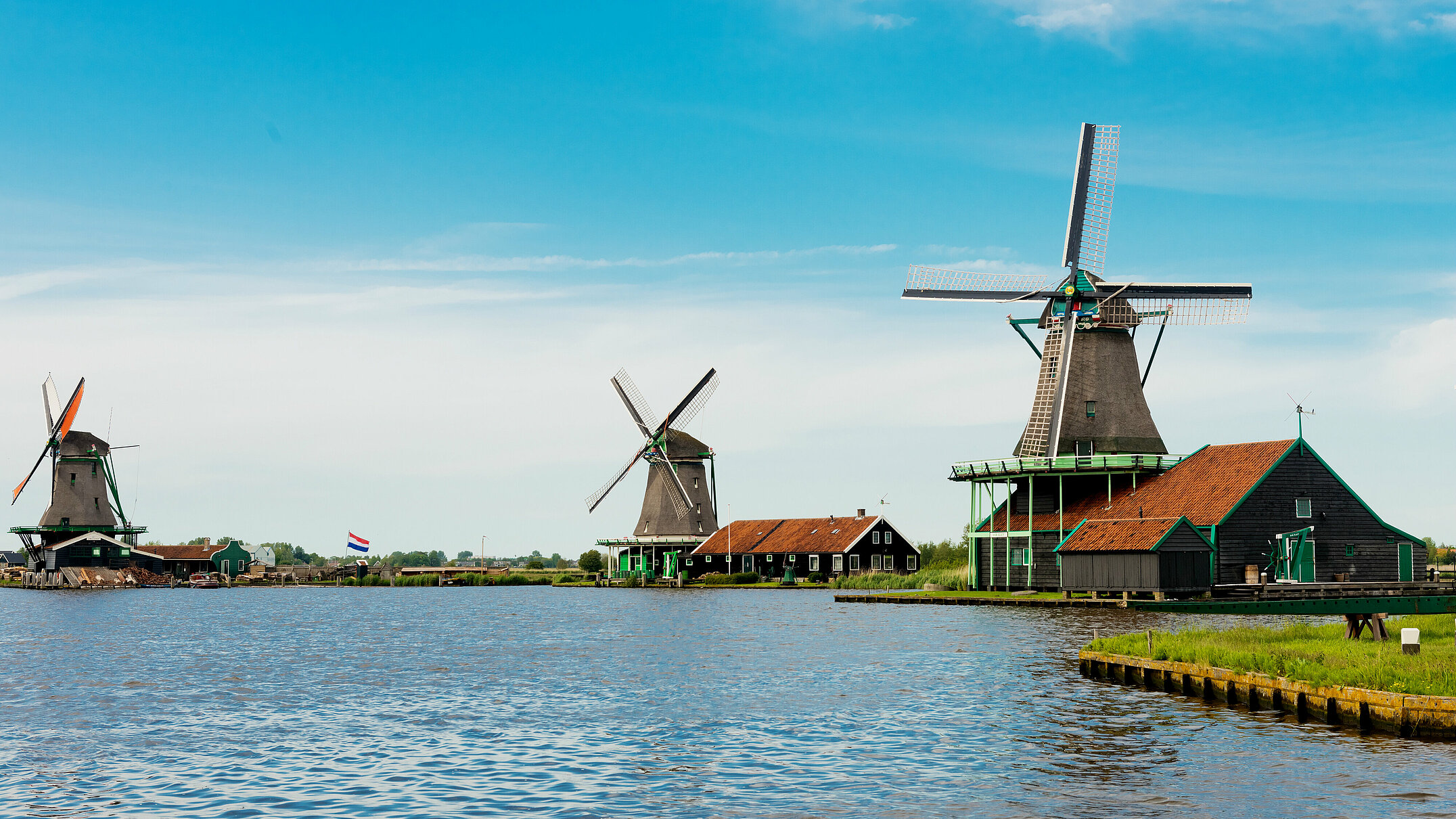
You sail from Haarlem to Spaarndam, a small and picturesque village on the edge of the city. Its name comes from the dam built in the River Spaarne to protect the land from flooding. On the IJdijk you can see the statue of Hansje Brinker, the character from an American novel who supposedly saved the country by putting his finger in a leaking dike. From Spaarndam you continue towards the Buitenhuizen ferry, which takes you across the North Sea Canal. On the other side you cycle to the Zaanse Schans. With its traditional wooden houses, warehouses and windmills, it feels like stepping back into the 17th or 18th century. Yet it is not an open‑air museum but a lively neighbourhood where people live and work. You can visit a cheese farm, a clog maker and an old bakery, each offering a glimpse into historic Dutch craftsmanship.
After breakfast, your bike‑and‑barge journey gently winds down. There’s still a touch of morning calm on deck while the crew prepares for disembarkation. Before 10:00 AM you leave the ship, usually with a warm farewell from the guide and crew.
If you’re catching an early flight, just mention it to the tour guide, they can arrange a taxi to the airport so you can continue your travels.
The barge was great and everything we needed. It was nice to do a cycling tour and not have to unpack and pack again everyday. We would definitely take another cycling and barge trip again. The bikes were in good condition and the trips were very doable.
Cycling in a cycle country
Our carefully selected routes will lead you along the most beautiful spots of the country. The average daily distance is around 45 kilometers. Most participants prefer riding in a group with the cycling guide, but you can also ride individually. A road book is included (1x per cabin). Gps-tracks can be provided by e-mail.
Calculate your trip and check availability.
Ready to book? You can book directly from the trip calculation!
Select your preferred barge below to get started.
(Only available cabin types are shown)
Please note:
The tour on the barge Feniks starts on Monday.
The tour on the other barges starts on Thursday.
Boarding time is between 12.30 PM and 1.30 PM. You are expected on our barge no later than 1.30 PM. The name of your barge is printed on the voucher, which you will receive separately. After arrival there’s coffee and tea on board. Other drinks are also available on cash payment. If you want you can bring your luggage in advance: from 11:30 AM onwards.
The mooring place of the barge in Amsterdam is harbour Oosterdok; Zip-code 1011 VX (near the Science Center: ‘Nemo’, Oosterdok 2).
The nearest airport to the embarkation point of the barge is Amsterdam Airport Schiphol (AMS). There is a direct train that leaves 6 times per hour from the airport to Amsterdam Central Station. It takes about 16 minutes. The price for a train ticket Schiphol-Amsterdam Central is € 6,- per person for a single journey. Walking distance to the barge is about 10 to 15 minutes. A taxi from the airport to the barge in Amsterdam takes about 30 minutes. It costs about € 60,-.
The nearest train station to the embarkation point of the barge is Amsterdam Central Station. Walking distance to the barge is about 10 to 15 minutes. A taxi from the station to the barge takes about 5 minutes: Costs about € 10,-.
If you arrive by car, we recommend you to arrive earlier to unload your luggage. You can find more information about parking possibilities at I amsterdam. The nearest parking is Parking Centrum Oosterdok, (about € 375,- per week, it is not necessary to reserve in advance; 500m walking distance to the barge).
The tour ends one week later after breakfast. Debarkation is before 10 AM. After the tour ends in you can take the train back to Schiphol Amsterdam Airport. Should you have an early flight, no problem. You may leave as early as you need to.
On this tour the following barges are scheduled
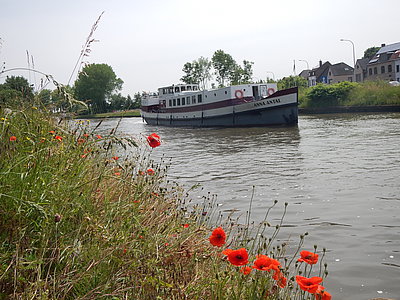
The Peter van Aemstel (former Anna Antal) is a former shuttle barge which was converted into a luxury motor passenger ship for Bike & Barge tours in the Netherlands and Belgium. Read more..
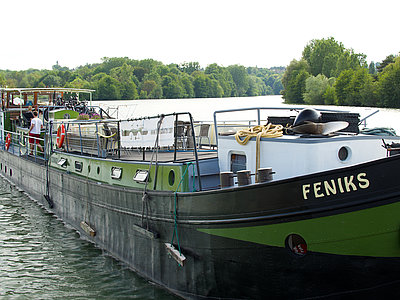
The Feniks was built in 1928 as a cargo barge for the Dutch, German, Belgian and French inland waters. On board you will find a comfortable and well-lit lounge, where you can relax on the sofa. As from 2019 the cabins are upgraded. Read more...
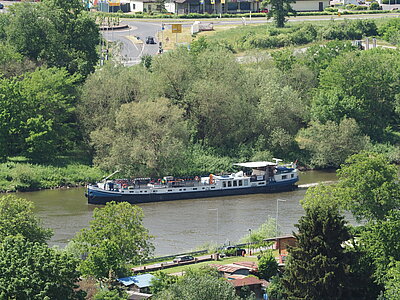
The MS Elisabeth van Aemstel is a converted inland waterway vessel. The ship offers a lounge/restaurant, a small bar and a comfortable sun deck. Read more....
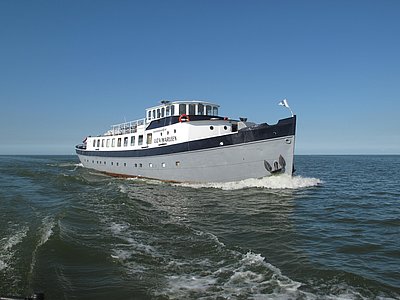
The “Floor van Aemstel” (former Liza Marleen) is a luxury motor passenger barge, built on the completely dismantled shell of a seafaring freight logger. This barge is ideally suited for trips on the wider waterways, like the Dutch Waddenzee, the IJssel lake and the Zeeland Streams. Read more...
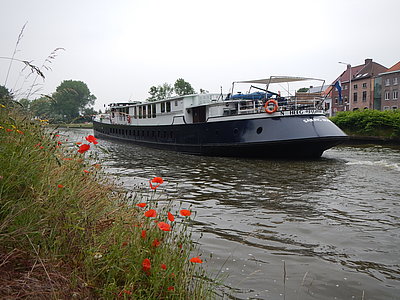
The barge “Godefridus van Aemstel” (formerly known as the Sailing Home) is built by Cycletours for Bike & Barge Tours in The Netherlands, Belgium and Germany. Read more...
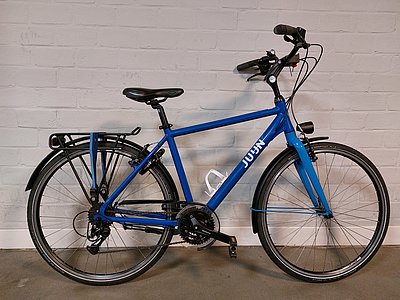
Rental bikes on this tour.
Imagine a floating hotel sailing to the next stage, while you are calmly pedalling along. No lugging of luggage: that is exactly what Bike & Barge is all about! In the pleasant atmosphere on board you can have a chat, go through the day with the others, and enjoy the meals prepared specially for cyclists. In the evenings you can enjoy a drink in the salon or admire the setting sun on deck. Do not expect a cruise ship with its passive luxury. The Bike & Barge Holidays are for people who really enjoy the physical activity of cycling and who value sociability more than wholesale luxury.
Free WiFi is (limited) available in lounge and on deck.
Most cabins are 2-person cabins (twin or double beds), but some barges also have single and triple cabins. All cabins have central heating and a porthole or window; they are provided with running water (hot and cold), private shower/toilet and 220 voltage. There is limited storage space in the cabin. We recommend 1 suitcase per person. You can slide the suitcase under the bed.
The captain/skipper, the chef and your tourguide all welcome you warmly. They are prepared specifically for these trips and will provide good and safe passage, good meals, and a friendly, pleasant atmosphere. They will, of course, also give you a great deal of interesting information during and after the cycling and sailing. The skipper is responsible for the smooth running of things on board; the cook is in charge of the catering. A tourguide accompanies you during the bike ride and can assist in case of breakdowns. He/She will be your guide to point out the things of interest along the way and is multi-lingual (Dutch/English, a few speak German and/or French).
Your chef is used to cook delicious meals for hungry cyclists. Besides an extensive breakfast, you will also be offered a packed lunch for on the road. It consists of different types of bread and sandwich fillings, juice, a snack and a piece of fruit. Lunch package needs to be prepared by yourself after breakfast. Dinner is different every day. There is a first course, main course and dessert The meals on board are included in the price, as are coffee and tea. Soft drinks and alcoholic drinks can be obtained at a reasonable charge. When you return on board after the day’s cycling, a cup of tea or coffee with a biscuit will be waiting for you.
If you suffer from food allergies or food intolerance (such as lactose- or gluten- intolerance/-allergy) or if you have special meal requirements (vegetarian; pescetarian; gluten free meals etc.), we ask you to mention this when booking, but no later than 14 days before arrival. Diets which need a special preparation or special ingredients can only be offered in limited form. We will do our best to meet your needs, but we also ask for your understanding as due to limited logistic possibilities on a barge we are not able to prepare complete specialized menus and special food requirements cannot always be met in all details.
In case of gluten free or lactose diet, there is an additional charge.
Unfortunately, we are unable to offer vegan meals. The space in the kitchens on our ships is limited (for storage and preparation) and therefore we cannot guarantee that the meals are completely vegan.
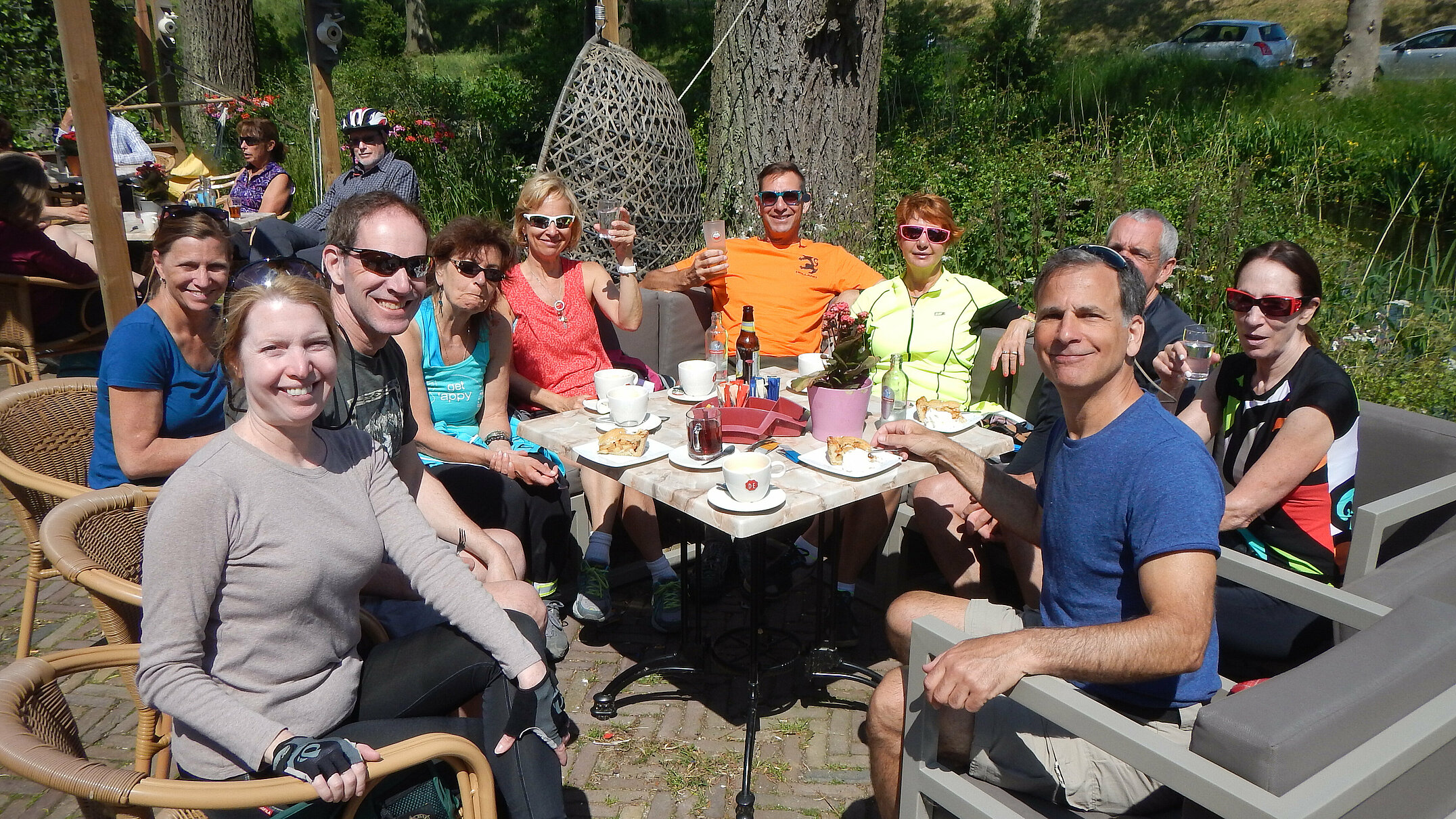
One of the most attractive aspects of the Bike & Barge holidays is that you encounter an international company on board, including people from e.g. USA, Canada, Australia, France and United Kingdom. It’s a great opportunity for you to get to know various cultures at the same time! We have people of all ages, solo travelers, couples and also families with children (during the school holidays). Most groups are made up of 12 to 26 people.
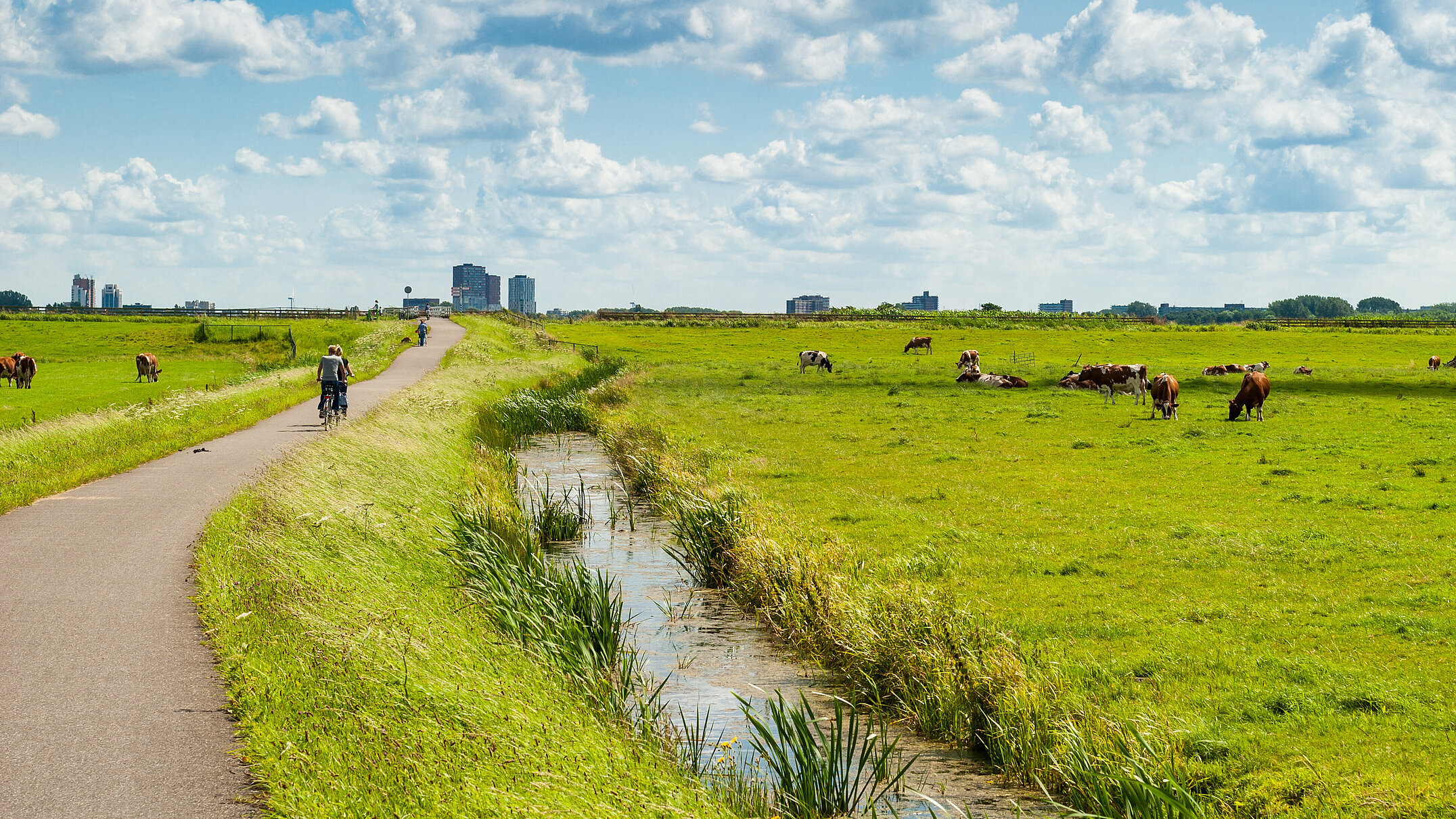
Holland is a cycling country: 17 million inhabitants all with bikes. The number of cyclists necessitates a cycling infrastructure: cycle paths (30,000 km), cycle routes (long and short distance), cycle bridges, cycle tunnels, cycle ferries and special signposts for cyclists. Cycling is part of normal life in the Netherlands; parents bring their children to school by bike, people go to work by bike, factory workers, doctors, even the prime minister! Cyclists, of course, have to observe traffic rules and regulations. The most important rule is to remember that you are not alone on your bike and that you are sharing the road with your group and other road users. Your guide on board will tell you all you need to know about the traffic rules and regulations.
Yes, but you must indicate this when booking. Diets that require special preparation or specific ingredients can only be accommodated to a limited extent. We will do our best to meet your needs, but we also ask for your understanding: due to the limited logistical possibilities on a barge, we are not able to provide fully specialized menus. On some tours, a surcharge applies for gluten‑free, lactose‑free, or vegan meals. This is stated per tour.
We recommond to wear a bike helmet on all tours. On our own tours (barges Anna Antal; Liza Marleen; Anna van Aemstel; Sailing Home and Clair de Lune) we provide a safety helmet with all our own rental bikes.
In some countries a helmet is mandatory, if so this is stated on the tour page.
You can bring your own standard bike on board.
Own e-bikes, tricycles, recumbent bikes and and special (custom-made) bicycles cannot be taken on board our ships.
Most participants simply put on their rain gear and try to make the best out of it, unfortunately the weather cannot be controlled. If the weather becomes so bad that cycling is truly impossible, which almost never happens, you can stay on board or your guide can arrange an alternative program, such as cultural excursions or city tours (at your own expense).
The main countries represented by our cycling guests are: United States and Canada. We also receive guests from United Kingdom, Germany, France, the Netherlands, Belgium, Australia and New Zealand. The common language on board is English.
No, the barge does not follow the same route as the cyclists. Sometimes the route may need to be adjusted due to weather conditions or repairs to bridges or locks. In those cases, the guests and the guide can coordinate with the skipper to meet at a different location. Of course, you can always choose to stay on board for one or more days.